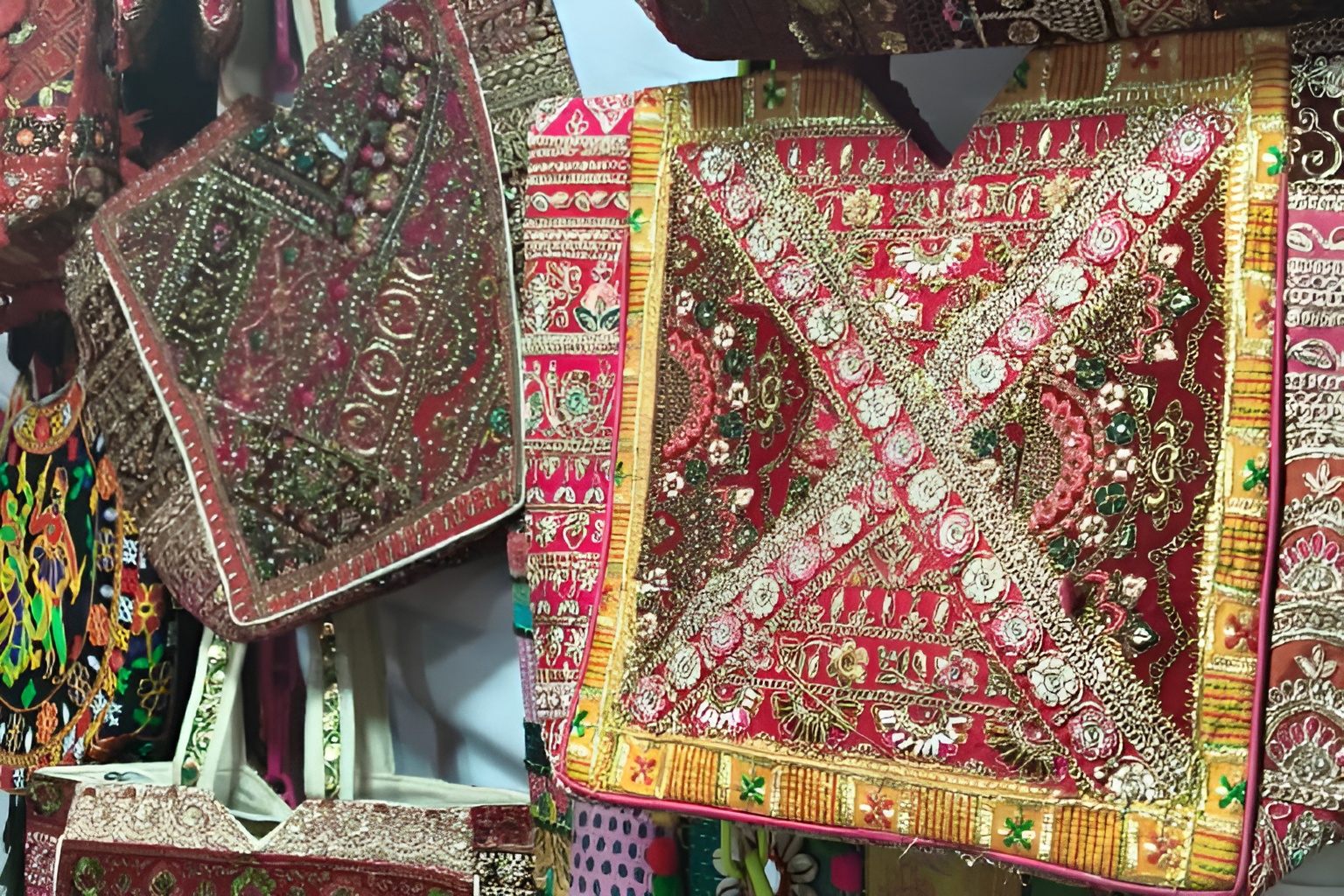
The Handicrafts Development Project of Anant Jeevan Sewa Evam Sodh Samiti aims to preserve traditional tribal crafts, enhance artisans' skills, and create sustainable livelihood opportunities for rural and tribal communities.
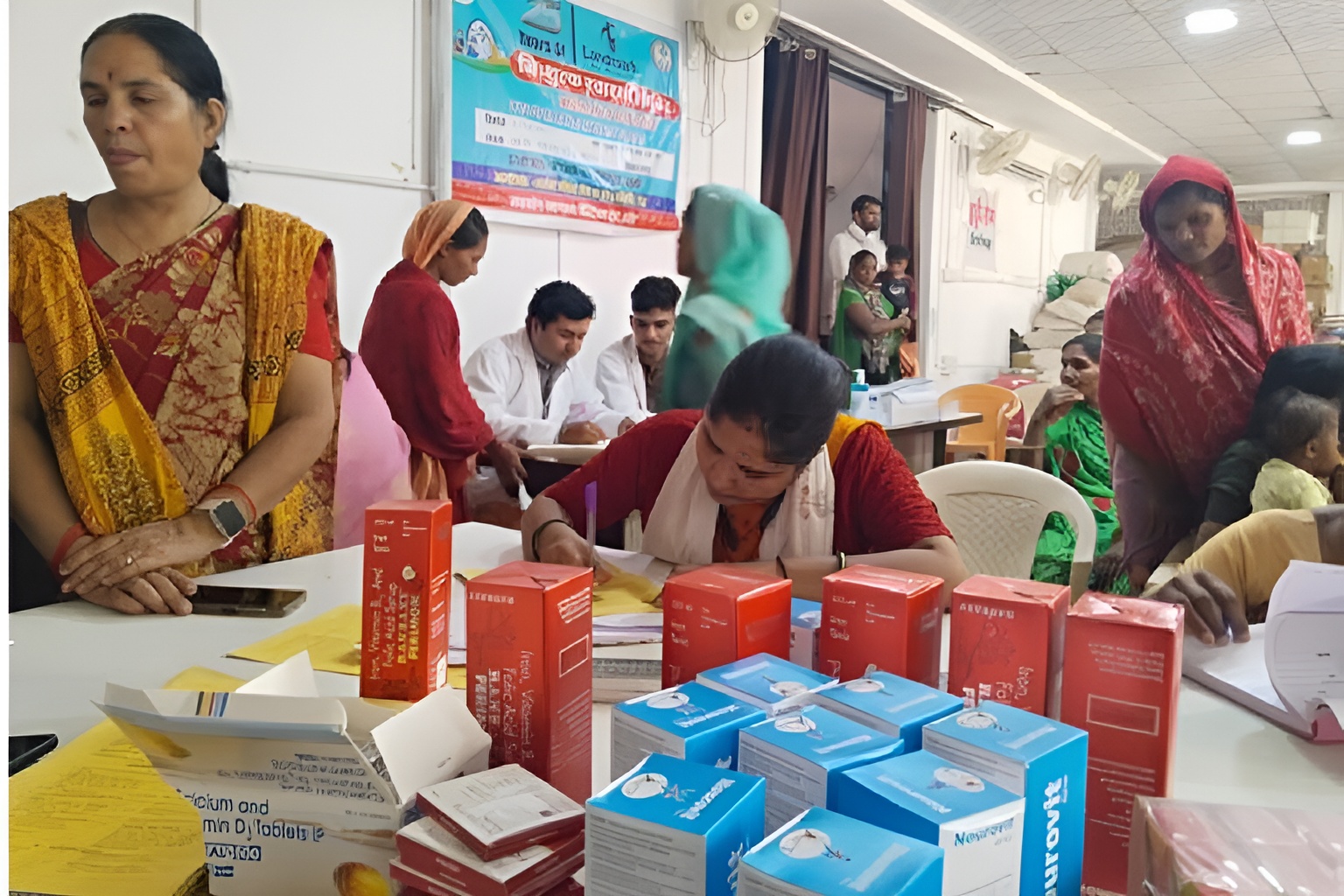
The Maternal Health and Nutrition Support Project was implemented across various blocks of Khandwa district with the objective of improving maternal and child health among vulnerable and underserved communities.
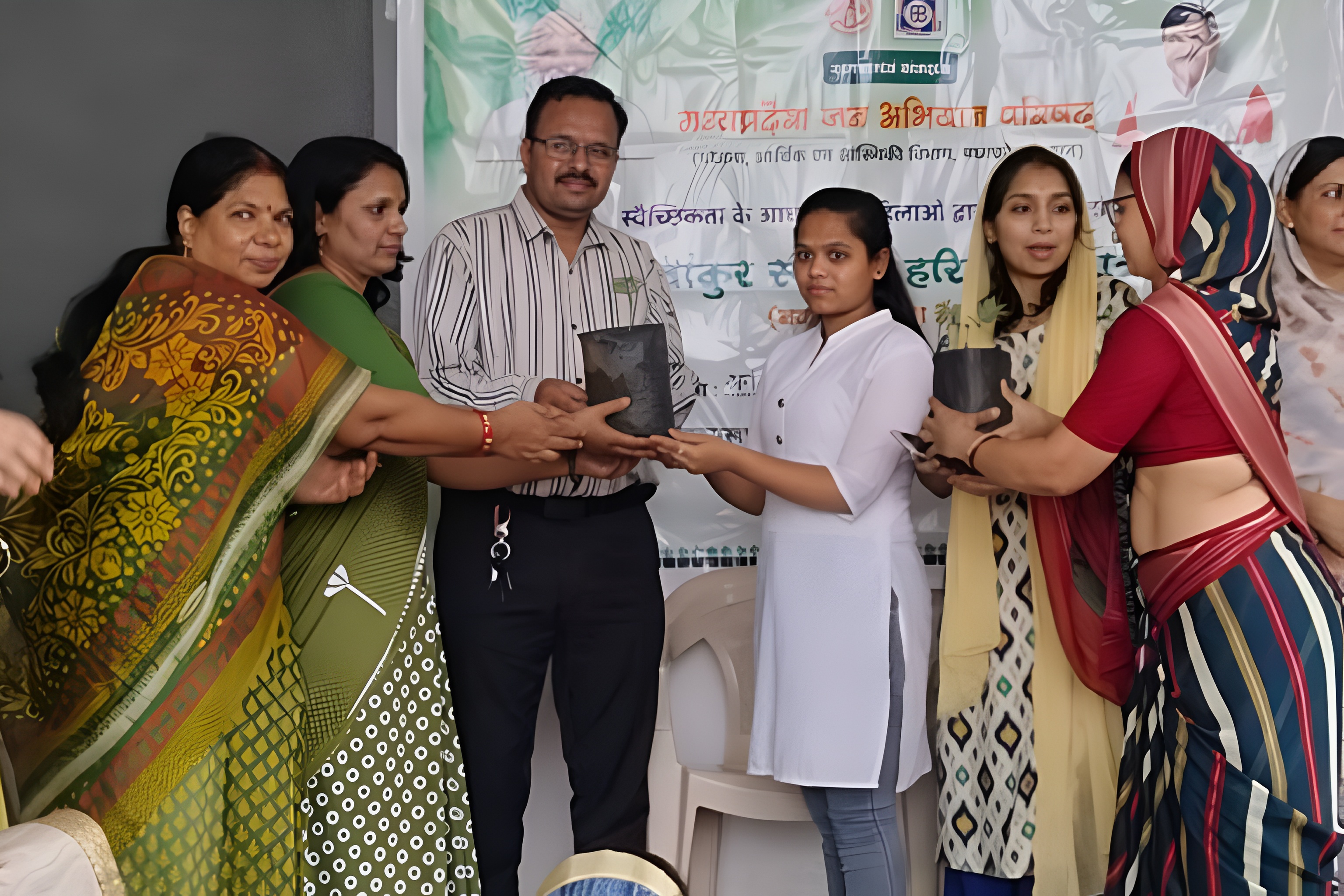
After being selected as a Navankur project under the Madhya Pradesh Jan Abhiyan Parishad, the organization implemented a community-based environmental conservation and plantation initiative aimed.
Every handcrafted product you purchase directly supports tribal and rural artisans by creating sustainable livelihood opportunities and encouraging economic independence. These unique creations reflect generations of traditional knowledge, cultural heritage, and skilled craftsmanship. Your contribution not only helps preserve these valuable art forms but also empowers artisan families with better opportunities for education, healthcare, and a more secure future. Together, we can celebrate handmade traditions while creating lasting social impact in communities that need it most.
Under this project, the organization has successfully organized several Design Development Workshops (DDW) and Skill Development Training Programs for artisans. These initiatives were designed to improve traditional craftsmanship by introducing innovative designs, modern production techniques, quality enhancement methods, and market-oriented product development.
The organization has also worked towards promoting tribal handicrafts through exhibitions, fairs, buyer-seller meets, and digital marketing platforms, enabling artisans to access wider markets and showcase their unique cultural heritage.
To maximize outreach, a series of health camps were organized at different locations across all blocks of the district. Through these camps, pregnant women received free healthcare services including blood tests, sonography, antenatal check-ups, hemoglobin testing, weight monitoring, and medical consultations by qualified healthcare professionals.
Women identified as high-risk pregnancies were referred to appropriate healthcare institutions for specialized treatment and institutional delivery. The project also facilitated access to essential medicines, multivitamin supplements, and nutrition counselling to support healthy pregnancies and safe childbirth.
Under this initiative, seeds provided through government support were distributed and nurtured in community nurseries established at various locations. Local community members actively participated in raising saplings from these seeds and ensuring their proper growth and maintenance.
Once the saplings were ready for transplantation, plantation drives were organized in villages and surrounding areas. The organization encouraged community participation by promoting tree plantation on special occasions such as birthdays, anniversaries, national festivals, and commemorative events. This approach helped create a sense of ownership and responsibility towards environmental conservation among local residents.